 Free fast delivery in NL & BE


Bumper protectors for vans: prevent damage during loading and unloading
A rear bumper has to endure a lot on a daily basis. During loading and unloading, materials rub against the bumper, people sometimes stand on it, and scratches, tears or signs of wear can quickly appear. A bumper protector prevents the original bumper from suffering unnecessary damage.
At Vooruwbus.nl, you’ll find bumper protectors in a range of materials, including aluminium, stainless steel and, in some cases, plastic. Which option is best for you depends on how intensively you use your van and the look you’re after.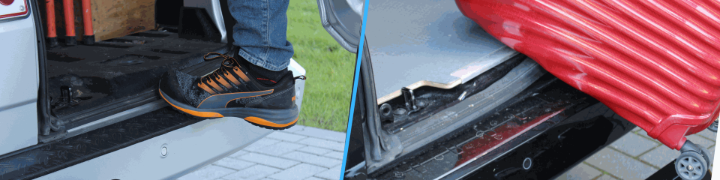
Why does the rear bumper of a van get damaged so easily?
In practice, we find that the rear bumper is one of the most vulnerable parts of a van. Tools, machinery, suitcases, bicycles and other items are often slid over the bumper. If there is sand or dirt on these items, scratches can quickly appear.
People also often step on the bumper during loading and unloading. Most original bumpers are made of plastic and are not always designed to withstand this. Repeated pressure can cause cracks, dents or fractures.
A bumper protector prevents this impact from hitting the original bumper directly.
What exactly does a bumper protector do?
A bumper protector is fitted on top of the rear bumper. This means that the load does not come into direct contact with the vehicle’s original bumper.
A bumper protector helps to protect against:
- scratches caused by loading and unloading
- wear and tear caused by heavy use
- cracks in plastic bumpers
- damage caused by sand, dirt or sharp edges
- signs of wear and tear on commercial vehicles, taxis and privately owned vans
For many customers, a bumper protector is a relatively small investment that can prevent more expensive repair costs.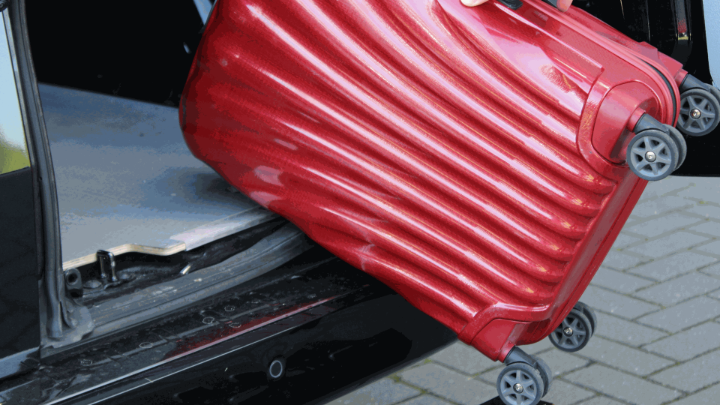
Aluminium, stainless steel or plastic bumper protector: which is the best choice?
Aluminium is usually the best choice for heavy-duty use, stainless steel combines durability with style, and plastic is a good basic option.
At Vooruwbus.nl, we supply various types of bumper protectors. The most popular models are made from aluminium and stainless steel. Plastic is also a good basic option for some vehicles.
Aluminium bumper protectors: strong and practical
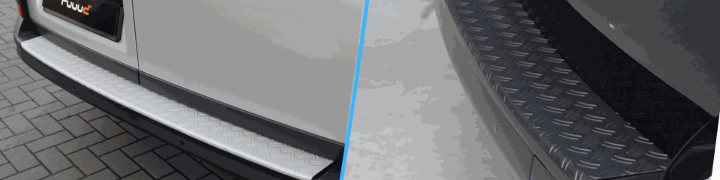
An aluminium bumper protector is usually the best choice for heavy-duty use. This version is more robust and practical when the van is subjected to heavy loads on a daily basis.
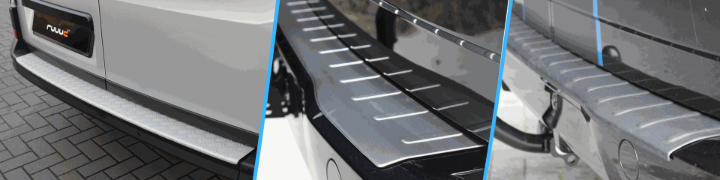
Aluminium bumper protectors often extend beyond the edge of the rear bumper. As a result, they protect not only the top but also the vulnerable edge of the bumper.
A silver anodised aluminium finish is particularly practical, as scratches and signs of wear are less likely to show. A black anodised finish looks more modern on many vehicles, but is slightly more prone to showing scratches.
You should choose aluminium in particular when:
- you use the van intensively
- you frequently load and unload materials
- safety is more important than a luxurious appearance
- if you're looking for a robust and practical solution
Stainless steel bumper protectors: protection with style
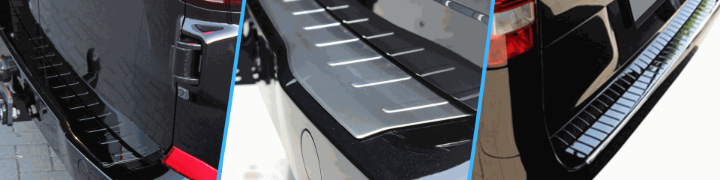
A stainless steel bumper protector is often chosen when protection needs to be combined with a neat or more luxurious look. This type is often seen on vans that are also used for private purposes, or on taxis and passenger vehicles.
Stainless steel protects the original bumper, but is usually chosen for vehicles where the bumper is subjected to less stress than on genuine work vans.
Stainless steel, for example, is available in a high-gloss finish. This gives it a luxurious look, but scratches are naturally more visible on it than on a matt or aluminium finish. Nevertheless, the advantage remains clear: the scratch is on the bumper protector and not on the original bumper.
Choose stainless steel, particularly when:
- appearance is important
- whether the bus is also used for private or business purposes
- you want protection without a rugged workwear look
- if you're looking for a more luxurious finish
Plastic bumper protectors: simple, basic protection
Plastic bumper protectors are a more basic solution. They are often black as standard and have a more understated look than aluminium or stainless steel.
Plastic is particularly suitable if you’re looking for light protection against scratches and signs of wear. For heavy or intensive use, aluminium is usually stronger and more practical.
You should choose plastic, particularly when:
- if you're looking for simple protection
- if you want a subtle black finish
- the van is used less frequently
- if you want to avoid minor signs of wear
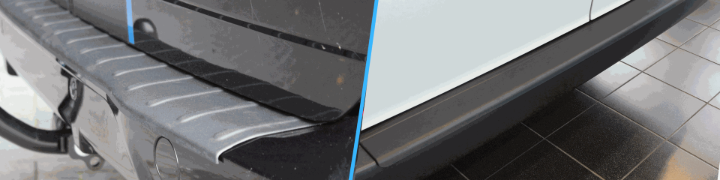
Comparison: which bumper protector is right for your needs?
| Usage scenario | Best choice | Why |
|---|---|---|
| Intensive loading and unloading | Aluminium | Strong, robust and practical |
| Work van or service van | Aluminium | More durable for everyday use |
| Make scratches less noticeable | Silver anodised aluminium | Signs of wear are less noticeable |
| Modern look | Black anodised aluminium | Goes well with black vehicle accents |
| Private-use van | Stainless steel | Protection with a smart look |
| Taxi or passenger transport | Stainless steel / high-gloss / smoke | A more luxurious finish |
| Basic protection | Plastic | Simple and subtle |
| Heavy-duty use | Aluminium | The most practical choice |
When is a bumper protector definitely recommended?
A bumper protector is particularly recommended if you frequently load and unload goods or want to keep the rear bumper looking neat.
A bumper protector is a useful addition for almost any van, but particularly if the vehicle is used on a daily basis. This includes tradespeople, fitters, couriers, contractors, taxis, motorhome owners and companies with multiple drivers.
A bumper protector is particularly useful when:
- you often load and unload materials
- the car is regularly being tailgated
- whether you’re transporting bicycles, suitcases, machinery or tools
- several people driving the same van
- if you want to retain the residual value of your vehicle
- if you want to protect your new van properly right from the start
Many customers only install protective measures once the initial damage has become visible. This often results in double the cost: first repairing the damage, and then installing protection.
For which vans are bumper protectors popular?
Short answer: Bumper protectors are popular for almost all vans, especially for vehicles used on a daily basis.
Popular models include:
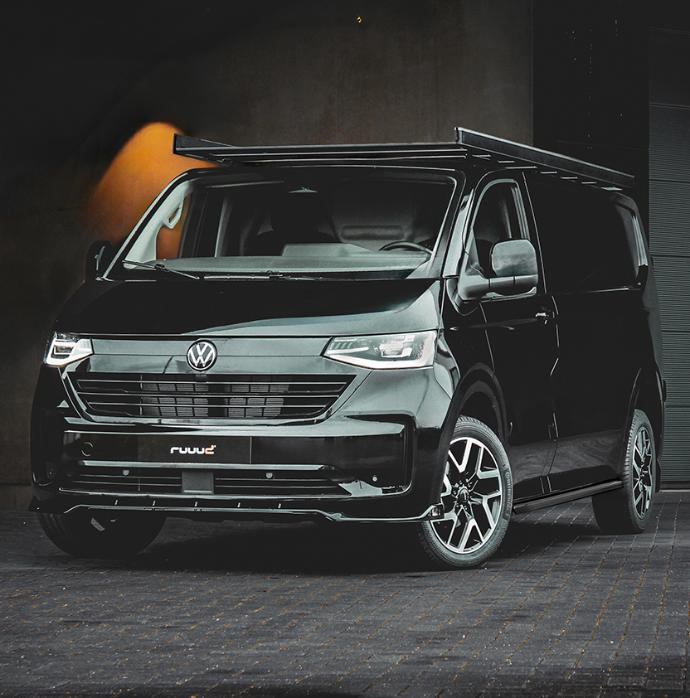
- Volkswagen Transporter T5, T6, T6.1 en T7
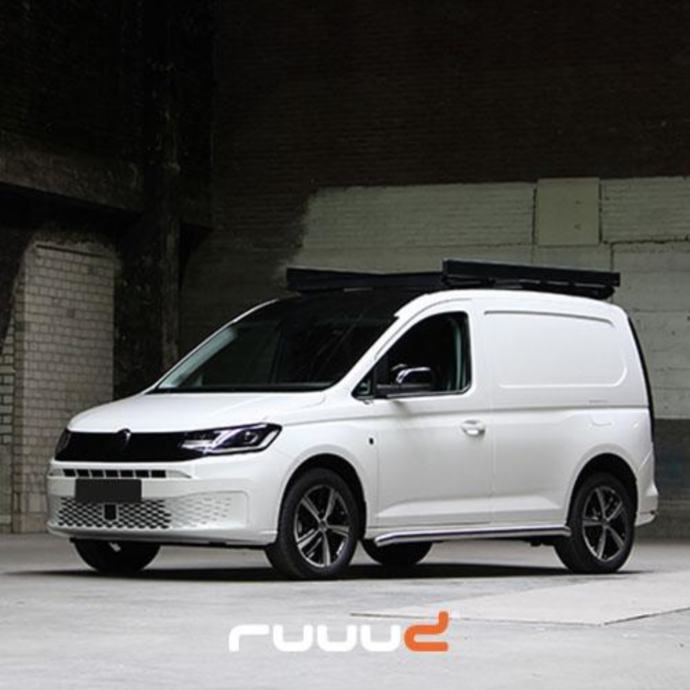
- Volkswagen Caddy
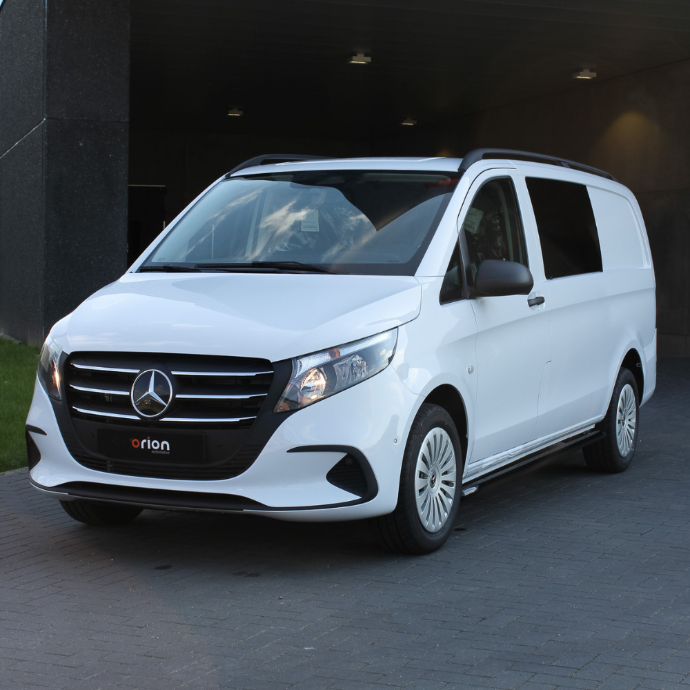
- Mercedes-Benz Vito en V-Klasse
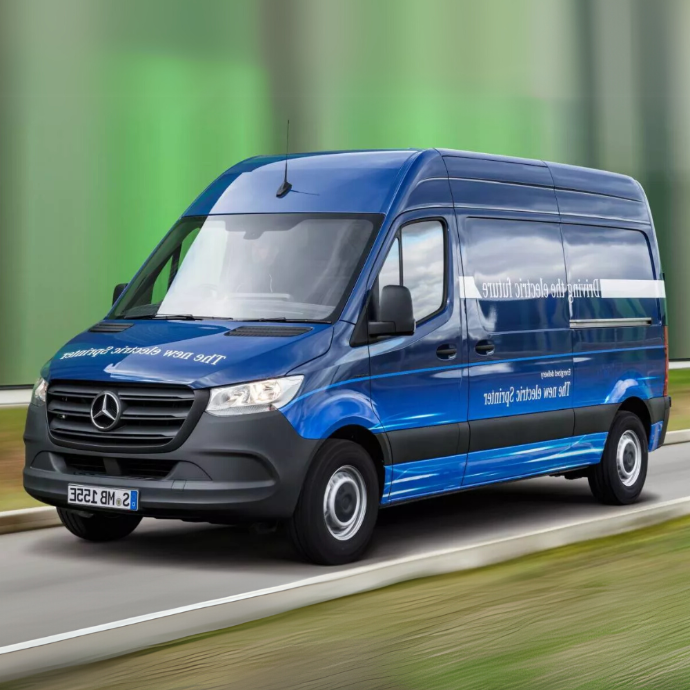
- Mercedes-Benz Sprinter
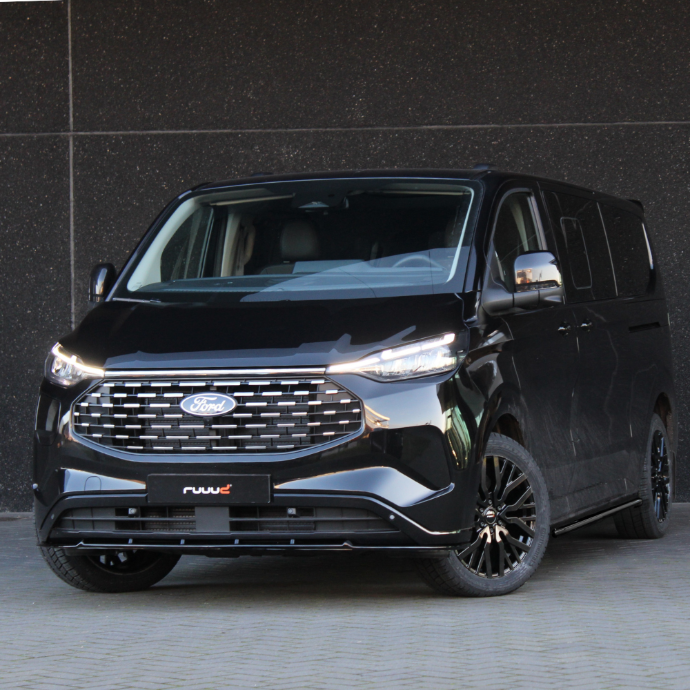
- Ford Transit Custom
- Ford Transit models in general
- Renault Trafic
As bumper protectors are usually designed specifically for a particular vehicle, it is important to choose the right model for your van and its year of manufacture.
Can you have a bumper protector fitted?
Yes, installation is available by appointment, provided the product is in stock.
At Vooruwbus.nl, we can fit bumper protectors provided we have the correct product in stock and you book an appointment in advance.
Installation depends on the type of bumper protector and the vehicle. Some models are adhesive-backed, whilst others have a different mounting system. Correct installation ensures that the bumper protector fits snugly and stays securely in place.
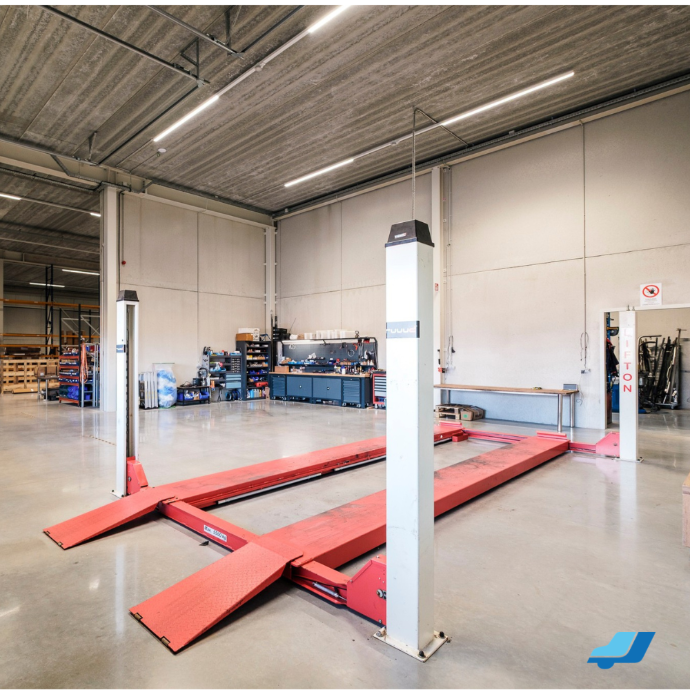
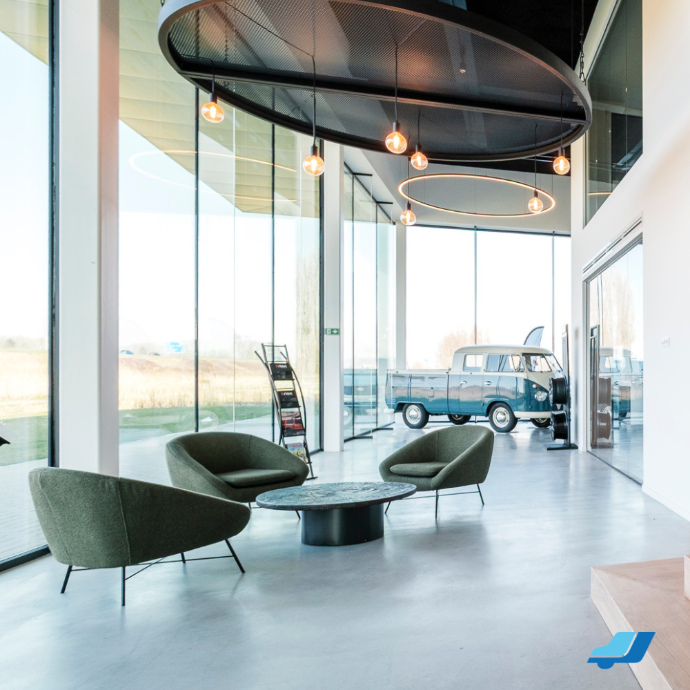
While the fitting is taking place, you are welcome to wait in our showroom. There, you can also browse our other products, use the Wi-Fi and enjoy a quiet drink whilst your vehicle is being finished.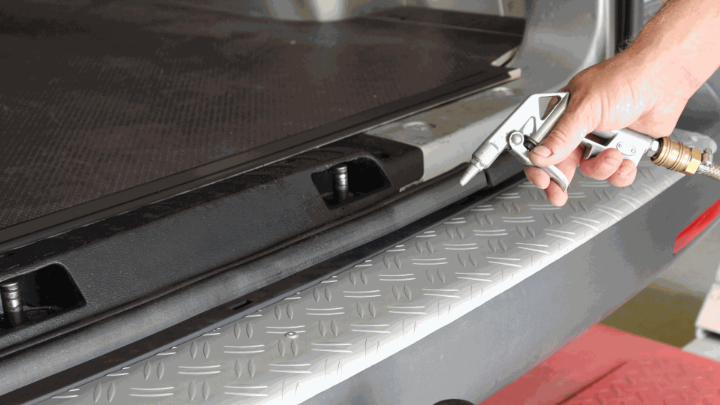
Take a look at the various bumper protectors in our showroom
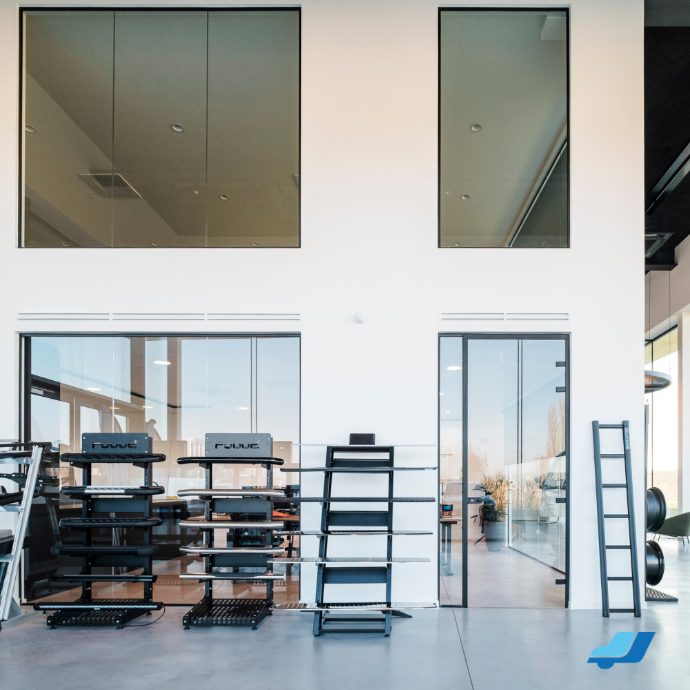
In our showroom, you can see and compare aluminium, stainless steel and other finishes in person.
Online photos give a good impression, but it’s only in person that you can really see the difference between materials and finishes. Aluminium feels robust and practical. Stainless steel has a more refined and luxurious look. Plastic is more subtle and comes in black as standard.
In our showroom, we can show you the various options and offer advice based on your vehicle and how you use it. This way, you can choose not only what looks good, but above all what best suits the way you use your van.
Looking to buy a bumper protector for your van?
A bumper protector is one of the simplest ways to prevent damage to your van. The rear bumper is a vulnerable part, particularly when loading and unloading on a daily basis, during heavy-duty use, or for private use where you want to keep the van in good condition.
Whether you choose aluminium, stainless steel or plastic, the right bumper protector will help keep your vehicle looking good for longer and prevent unnecessary damage to the original bumper.
Not sure which bumper protector is best suited to your van? Please get in touch or visit our showroom. We’d be happy to show you the differences and help you choose the right one based on your vehicle and how you use it.
The terms ‘bumper protector’ and ‘bumper plate’ are often used interchangeably. In practice, customers usually mean the same thing: a part that is fitted on top of a van’s rear bumper to prevent damage. The term ‘bumper plate’ is often used for aluminium or stainless steel versions, whilst ‘bumper protector’ sounds more general and can also include plastic variants. The purpose remains the same: to protect the original bumper from scratches, wear and damage during loading and unloading. Which version is best suited depends on the vehicle, its use and the desired look.
For heavy-duty use, an aluminium bumper protector is usually the strongest and most practical choice. Aluminium is robust, hard-wearing and well-suited to daily loading and unloading. Models that extend beyond the edge of the rear bumper, in particular, offer extra protection in vulnerable areas. A silver anodised finish is also practical as scratches are less likely to show. Stainless steel is also strong, but is more often chosen for styling and representative vehicles. Plastic is particularly suitable as basic protection against minor signs of wear. *** Translated with www.DeepL.com/Translator (free version) ***
Aluminium is usually the better choice if you’re looking for a bumper protector for heavy-duty use. The material is strong, practical and often better able to withstand daily loading and unloading. Scratches are less visible, particularly on silver anodised aluminium. Stainless steel isn’t necessarily worse, but is more often chosen when appearance is important. Think of vans that are also used privately or taxis. High-gloss stainless steel looks more luxurious, but shows scratches more quickly. The best choice therefore depends on the use: aluminium for robust work, stainless steel for protection with style.
A black bumper protector can offer just as much protection as a silver one, depending on the material and construction. The main difference lies in the finish. A black anodised aluminium bumper protector often complements modern vehicles with black accents nicely, but is slightly more susceptible to visible scratches. A silver anodised aluminium version is more practical for intensive use, as damage is less noticeable. So choose black when appearance is important and silver when you are primarily looking for robust, practical protection.
Aluminium is usually the better choice if you’re looking for a bumper protector for heavy-duty use. The material is strong, practical and often better able to withstand daily loading and unloading. Scratches are less visible, particularly on silver anodised aluminium. Stainless steel isn’t necessarily worse, but is more often chosen when appearance is important. Think of vans that are also used privately or taxis. High-gloss stainless steel looks more luxurious, but shows scratches more quickly. The best choice therefore depends on the use: aluminium for robust work, stainless steel for protection with style.
A bumper protector primarily protects the top and edges of the rear bumper against scratches, wear and tear, and pressure. It is therefore particularly useful for preventing damage caused by loading, unloading or standing on the bumper. A bumper protector does not offer complete protection against heavy collisions or reversing hard into an obstacle. It is not designed for that purpose. In everyday use, it mainly prevents the most common types of damage: scratches, cracks and signs of wear on the original bumper. This keeps the bumper looking neat for longer and helps you avoid unnecessary repair costs.
Yes, fitting is available by appointment provided the bumper protector is in stock. Professional fitting ensures that the product is installed correctly and fits neatly against the rear bumper. The fitting method depends on the type of bumper protector and the vehicle. Some models are adhesive-backed, whilst others are fitted in a different way. At Vooruwbus.nl, you can wait in the showroom whilst the fitting is carried out, make use of the Wi-Fi and enjoy a quiet drink. This ensures your vehicle is protected quickly and correctly.
Plastic bumper protection is particularly useful if you’re looking for a simple and discreet solution. Plastic versions are often black as standard and are less conspicuous than aluminium or stainless steel. They mainly protect against minor scratches and signs of wear. For intensive commercial use or heavy loading and unloading, aluminium is usually a better choice. Plastic can, however, be a good option for vehicles that are subjected to less heavy loads or if you mainly want to keep the original bumper looking neat without a conspicuous metal finish. It is therefore primarily a basic solution for lighter protection.
The best time to fit a bumper protector is before any damage occurs. Many customers wait until the first scratches, cracks or signs of wear become visible. This often results in double the cost: first the repairs, and then fitting the protector anyway. By fitting a bumper protector as a preventative measure, you avoid damage to the original bumper and keep the vehicle looking neat for longer. This is particularly wise for new or accident-free vans. The investment in protection is often lower than the cost of repairing the rear bumper.
Yes, in the showroom you can see the various bumper protectors and finishes in person. This is useful because online photos don’t always clearly show what aluminium, stainless steel or plastic looks like on a vehicle. In the showroom, you can immediately see the difference in appearance, material and finish. We can also offer advice based on your van and how you use it. Are you unsure whether to choose aluminium, stainless steel or plastic? Then a visit to the showroom is often the best way to make the right choice.
Please contact us via:
+ 31 413 45 09 02
[email protected]
whatsapp
 Voltaweg 1
5466 AZ, VEGHEL
The Netherlands
Opening hours
mo-thu: 08:00-17:00
fri: 08:00-15:00
noon: 12:30-13:00
