 Free fast delivery in NL & BE


Bumper protectors for vans: prevent damage when loading and unloading
A rear bumper has to withstand a great deal of wear and tear in everyday use. When loading and unloading, materials rub against the bumper; people sometimes step on it; and scratches, cracks or signs of wear can quickly appear. A bumper protector prevents the original bumper from sustaining unnecessary damage.
At Foryourvan.uk you’ll find load area liners made from various materials, including aluminium, stainless steel and, in some cases, plastic. Which option is best for you depends on how intensively you use your van and which look you prefer.
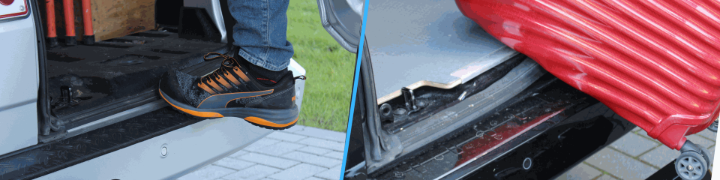
Why does the rear bumper of a van get damaged so quickly?
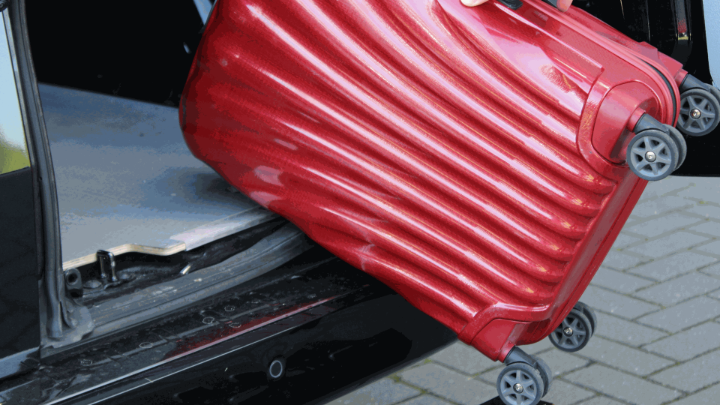
In practice, the rear bumper is one of the parts of a van that takes the most knocks. Tools, machinery, suitcases, bicycles and other items are often slid over the bumper. If these items contain sand or dirt, scratches can quickly appear.
What’s more, people often step on the bumper when loading and unloading. Most original bumpers are made of plastic and are not always designed to withstand this. Repeated impact can lead to cracks, dents or breaks.
A bumper protector prevents this impact from hitting the original bumper directly.
What exactly does a bumper protector do?
A bumper protector is fitted to the rear bumper.. This ensures that the load does not come into direct contact with the vehicle’s original bumper.
A bumper protector protects against:
- Scratches caused by loading and unloading
- Wear and tear caused by heavy use
- Cracks in plastic bumpers
- Damage caused by sand, dirt or sharp edges
- Signs of wear and tear on commercial vehicles, taxis and private vans
For many customers, a bumper protector is a relatively small investment that can prevent more expensive repair costs.
Bumper protectors made of aluminium, stainless steel or plastic: which is the best choice?
Aluminium is generally the best choice for heavy-duty use, stainless steel combines durability with style, and plastic is a good basic option.
At Foryourvan.uk , we stock various types of bumper protectors. The most popular models are made from aluminium and stainless steel. For some vehicles, plastic is also a good basic option.
Aluminium bumper protectors: robust and practical
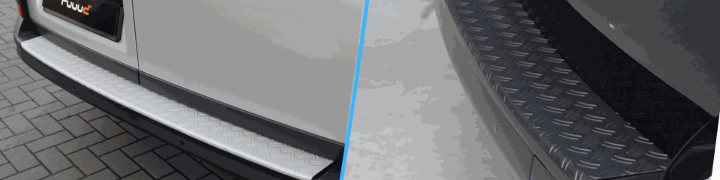
An aluminium bumper protector is usually the best choice for heavy-duty use. This option is more robust and practical if the van is subjected to heavy loads on a daily basis.
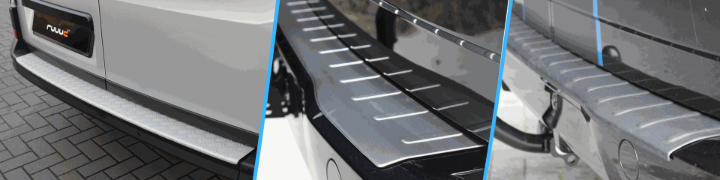
Aluminium bumper protectors often extend beyond the edge of the rear bumper. As a result, they protect not only the top but also the vulnerable edge of the bumper.
A silver-anodised aluminium finish is particularly practical, as scratches and signs of wear are less noticeable on it. A black-anodised finish looks more modern on many vehicles, but is slightly more prone to showing scratches.
You should opt for aluminium in particular if:
- You make intensive use of the van
- they frequently load and unload materials
- Safety is more important than a luxurious appearance
- If you’re looking for a robust and practical solution
Stainless steel bumper protector: protection with style
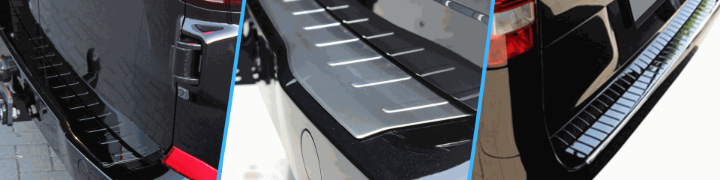
A stainless steel bumper protector is often chosen when protection needs to be combined with an elegant or sophisticated look. This type is frequently seen on vans that are also used for private purposes, as well as on taxis and passenger cars.
Stainless steel protects the original bumper, but is generally chosen for vehicles where the bumper is subjected to less wear and tear than on genuine commercial vehicles.
Stainless steel, for example, is available in a high-gloss finish. This gives it an elegant appearance, although scratches are naturally more visible on it than on a matt or aluminium-coloured surface. Nevertheless, the advantage remains clear: the scratch is on the bumper protector and not on the original bumper.
Choose stainless steel, particularly if:
- appearance is important
- whether the bus is used for private or business purposes
- you want protection without it looking like heavy-duty workwear
- if you’re looking for a more luxurious version
Plastic bumper protector: simple, basic protection
Plastic bumper protectors are a simpler solution. They are often black as standard and look more understated than aluminium or stainless steel models.
Plastic is particularly suitable if you’re looking for light protection against scratches and signs of wear. For heavy or intensive use, aluminium is generally more robust and practical.
You should opt for plastic, particularly if:
- If you’re looking for simple protection
- If you’d like a subtle black finish
- The van is used less often
- if you want to avoid minor signs of wear and tear
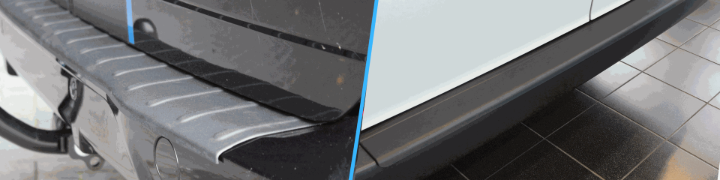
Comparison: Which bumper protector suits your needs?
| Application | The best choice | Why |
|---|---|---|
| Intensive loading and unloading | Aluminium | Sturdy, robust and practical |
| Delivery van or service van | Aluminium | More durable in everyday use |
| Making scratches less noticeable | Silver-anodised aluminium | Signs of wear are less noticeable |
| A modern look | Stainless steel/smoked glass | Goes well with black vehicle accents |
| Minibus for private use | Stainless steel | Protection with a stylish design |
| Taxi or passenger transport | Stainless steel / High-gloss / Smoked glass | A more luxurious version |
| Basic protection | Plastic | Simple and understated |
| Use in extreme conditions | Aluminium | The most practical choice |
When is a bumper protector highly recommended?
A bumper protector is particularly recommended if you frequently load and unload goods or wish to keep the rear bumper in good condition.
A bumper protector is a useful addition to almost any van, but particularly so if the vehicle is used on a daily basis. This includes tradespeople, fitters, couriers, building contractors, taxi drivers, motorhome owners and companies with several drivers.
A bumper protector is particularly useful when:
- they frequently load and unload materials
- whether you’re transporting bicycles, suitcases, machinery or tools
- several people travelling in the same minibus
- if you wish to retain the residual value of your vehicle
- if you want to protect your new van properly right from the start
Many customers only take protective measures once the damage has already become apparent. This often results in double the cost: first, repairing the damage, and then installing the protective measures.
For which vans are bumper protectors popular?
Short answer: bumper protectors are popular on almost all vans, particularly those used on a daily basis.
Popular models include:
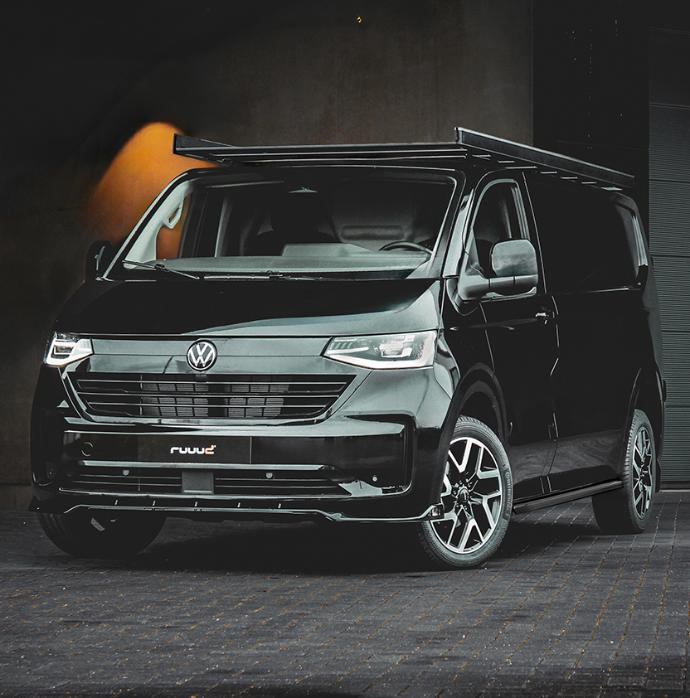
- Volkswagen Transporter T5, T6, T6.1 and T7
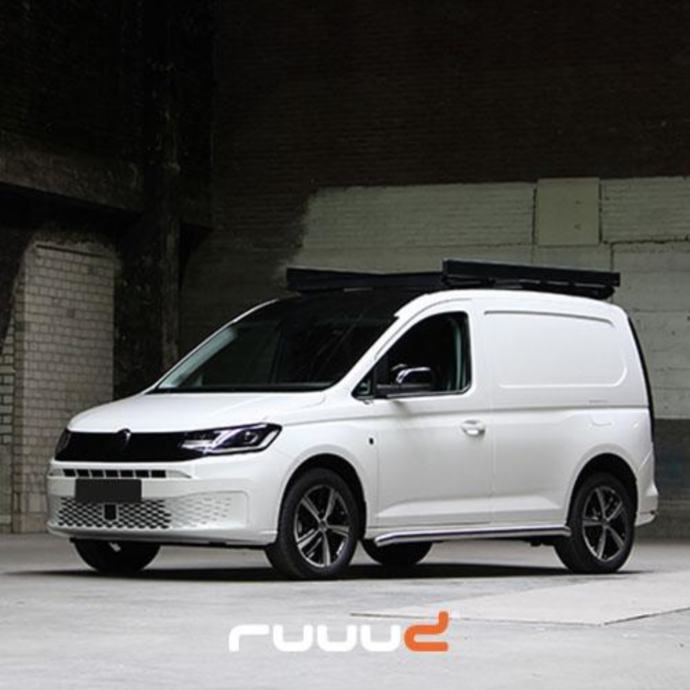
- Volkswagen Caddy
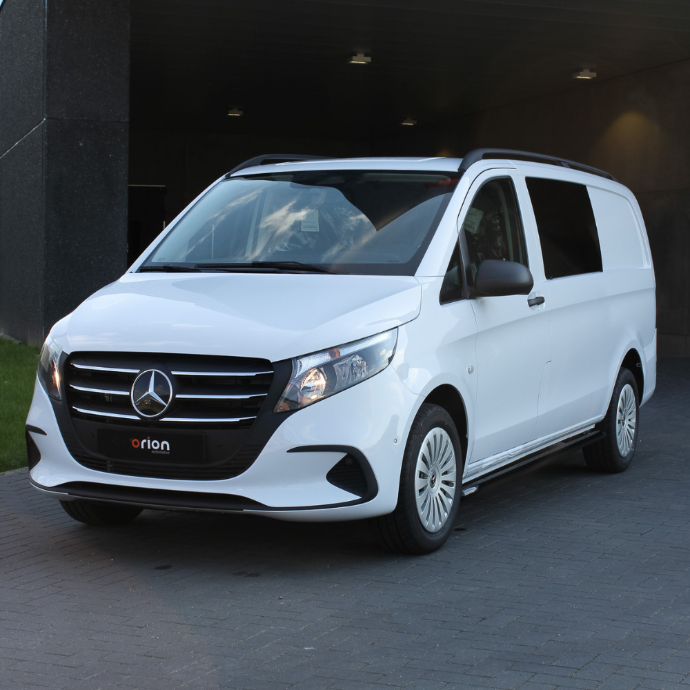
- Mercedes-Benz Vito and V-Klasse
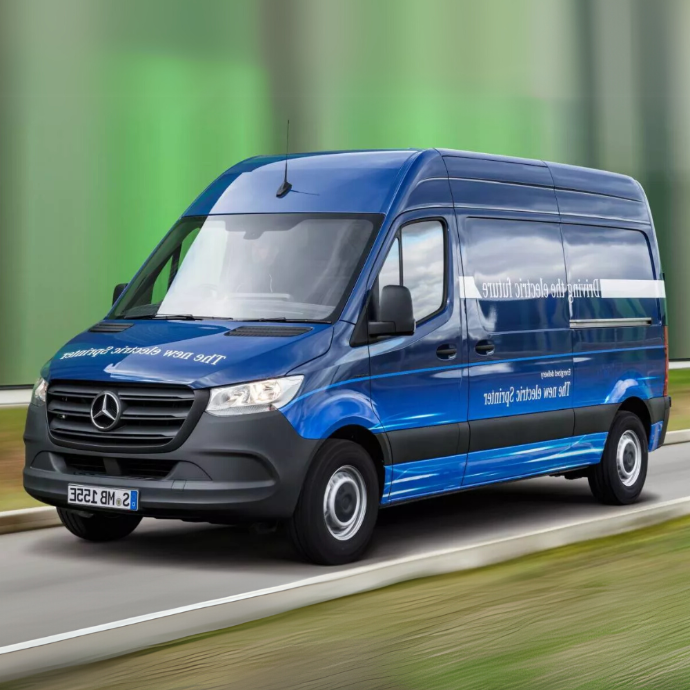
- Mercedes-Benz Sprinter
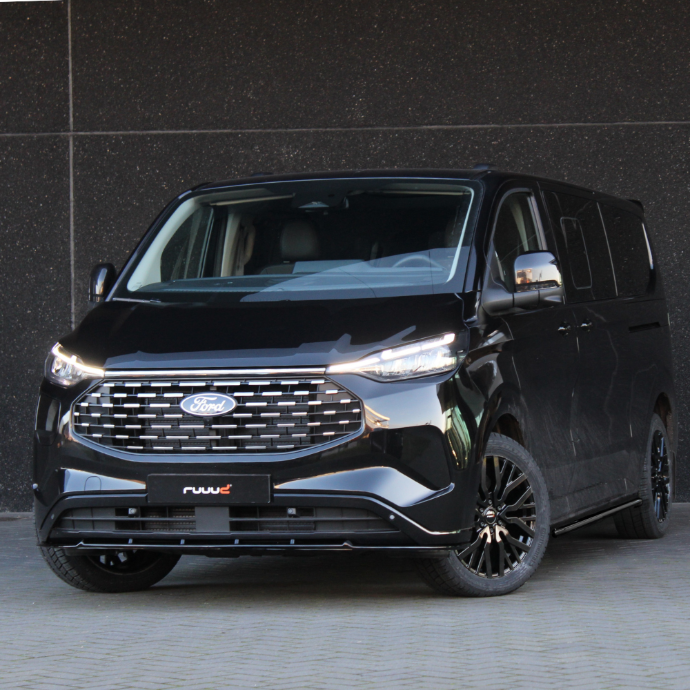
- Ford Transit Custom
- Ford Transit models in general
- Renault Trafic
As bumper protectors are usually designed specifically for a particular vehicle model, it is important to choose the right model for your van and its year of manufacture.
Is it possible to have a bumper protector fitted?
Yes, installation is available by appointment, provided the product is in stock.
At Foryourvan.uk We can fit bumper protectors, provided we have the right product in stock and you book an appointment in advance.
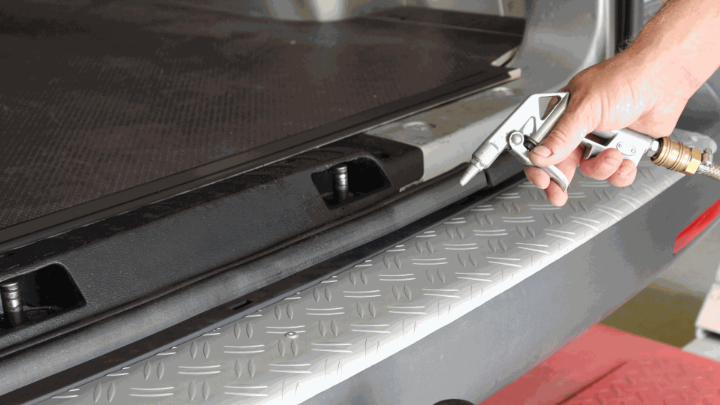
Installation depends on the type of bumper protector and the vehicle model. Some models are self-adhesive, whilst others use a different fixing system. Correct installation ensures that the bumper protector fits perfectly and remains securely in place.
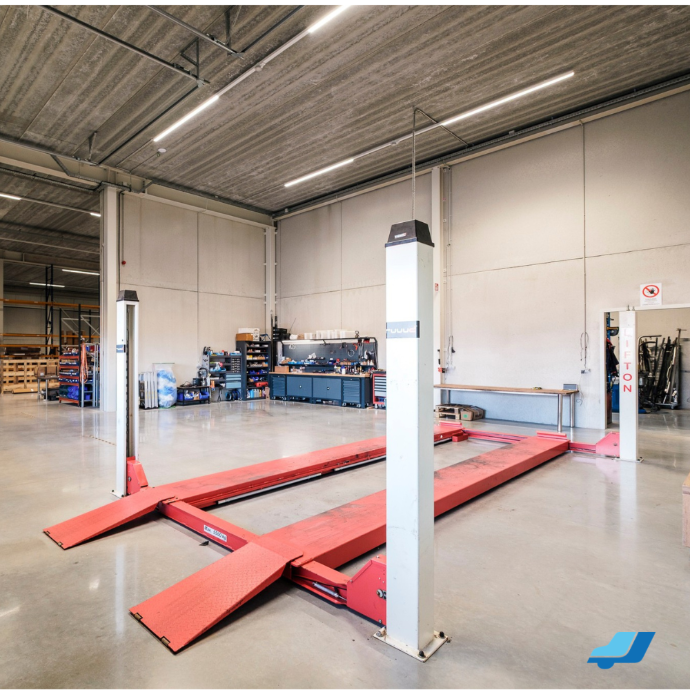
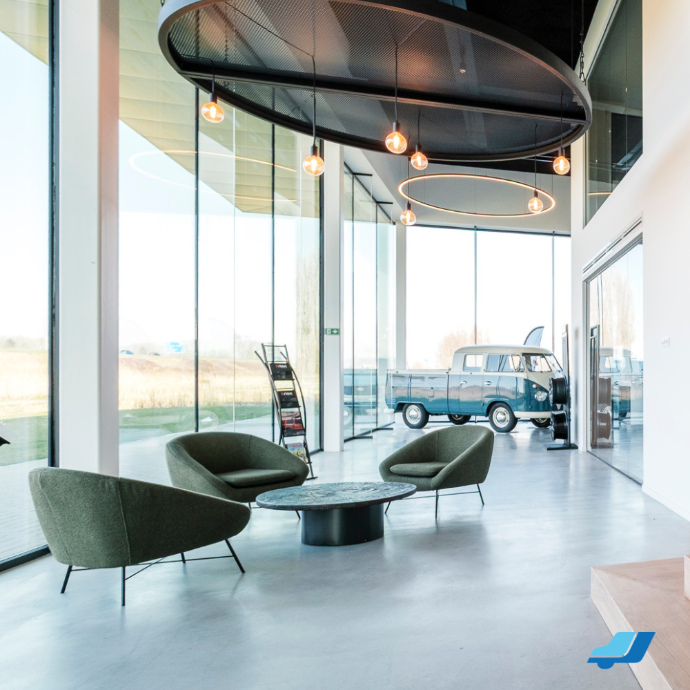
Whilst the fitting is taking place, you are welcome to wait in our showroom. There, you can also browse our other products, use the Wi-Fi and enjoy a drink at your leisure whilst your vehicle is being fitted.

Come and take a look at the various bumper protectors in our showroom
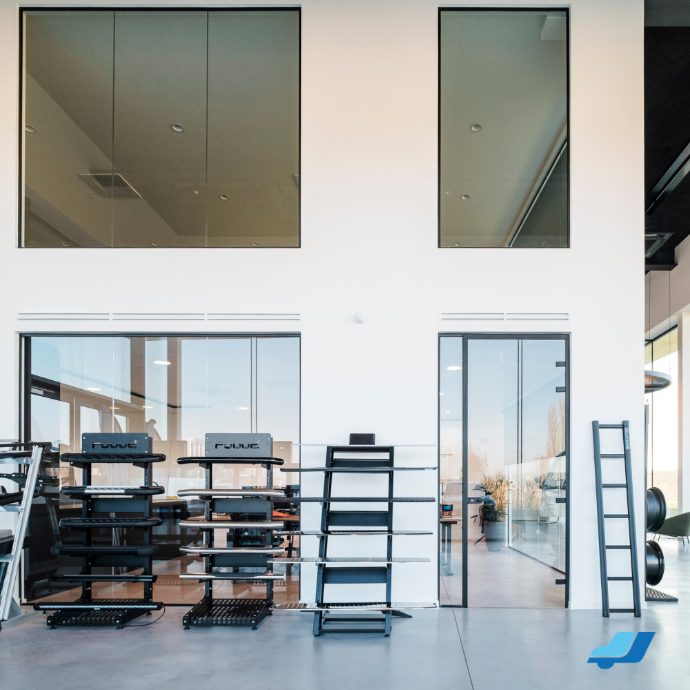
In our showroom, you can see and compare finishes made from aluminium, stainless steel and other materials for yourself.
Whilst photos on the internet give a good impression, it is only when you see them in person that you can really appreciate the difference between the materials and finishes. Aluminium looks robust and practical. Stainless steel has a more refined and luxurious look. Plastic is more understated and comes in black as standard.
In our showroom, we can show you the various options and advise you based on your vehicle and its intended use. This means you can choose not only what you like the look of, but above all what best suits the requirements of your van.
Would you like to buy a bumper protector for your van?
A bumper protector is one of the simplest ways to prevent damage to your van. The rear bumper is particularly vulnerable, especially during daily loading and unloading, with heavy use, or for private use, if you want to keep your van in good condition.
Whether you choose aluminium, stainless steel or plastic – the right bumper protector will ensure that your vehicle looks its best for longer and prevent unnecessary damage to the original bumper.
Not sure which bumper protector is best suited to your van? Please feel free to contact us or visit our showroom. We’ll be happy to show you the differences and help you choose the right protection for your vehicle and your usage patterns.
The terms ‘load sill protector’ and ‘bumper protector’ are often used interchangeably. In practice, customers usually mean the same thing by them: a part that is fitted to the top of a van’s rear bumper to prevent damage. The term ‘bumper protector’ is frequently used for aluminium or stainless steel versions, whilst ‘load sill protector’ sounds more general and can also include plastic variants. The purpose remains the same: to protect the original bumper from scratches, wear and damage during loading and unloading. Which version is most suitable depends on the vehicle, its use and the desired appearance.
Für den harten Einsatz ist ein ladekantenschutz aus Aluminium in der Regel die stabilste und praktischste Wahl. Aluminium ist robust, strapazierfähig und eignet sich gut für das tägliche Be- und Entladen. Insbesondere Modelle, die über die Kante des hinteren Stoßfängers hinausragen, bieten zusätzlichen Schutz an besonders gefährdeten Stellen. Eine silber eloxierte Oberfläche ist zudem praktisch, da Kratzer weniger sichtbar sind. Edelstahl ist ebenfalls stabil, wird jedoch häufiger für stilvolle und repräsentative Fahrzeuge gewählt. Kunststoff eignet sich besonders gut als grundlegender Schutz vor leichten Abnutzungserscheinungen.
Aluminium is generally the better choice if you’re looking for a bumper protector for heavy-duty use. The material is robust, practical and often withstands daily loading and unloading better. Scratches are less visible, particularly on silver-anodised aluminium. Stainless steel isn’t necessarily inferior, but is more commonly chosen when appearance is a key consideration. Think, for example, of vans that are also used privately, or taxis. High-gloss stainless steel looks more luxurious, but shows scratches more quickly. The best choice therefore depends on the intended use: aluminium for heavy-duty use, stainless steel for protection with style.
Depending on the material and design, a black bumper protector can offer just as much protection as a silver one. The main difference lies in the surface finish. A black anodised aluminium bumper protector often complements modern vehicles with black accents well, but is slightly more prone to visible scratches. A silver anodised aluminium version is more practical for heavy use, as any damage is less noticeable. So, opt for black if appearance is important to you, and for silver if you’re primarily looking for robust, practical protection.
Aluminium is generally the better choice if you’re looking for a bumper protector for heavy-duty use. The material is robust, practical and often withstands daily loading and unloading better. Scratches are less visible, particularly on silver-anodised aluminium. Stainless steel isn’t necessarily inferior, but is more commonly chosen when appearance is a key consideration. Think, for example, of vans that are also used privately, or taxis. High-gloss stainless steel looks more luxurious, but shows scratches more quickly. The best choice therefore depends on the intended use: aluminium for heavy-duty use, stainless steel for protection with style.
A bumper protector primarily protects the top and edges of the rear bumper from scratches, wear and pressure. It is therefore particularly well suited to preventing damage caused by loading and unloading, or by standing on the bumper. A bumper protector does not offer complete protection against serious collisions or reversing heavily into an obstacle. It is not designed for that purpose. In everyday use, it primarily prevents the most common types of damage: scratches, cracks and signs of wear on the original bumper. This helps keep the bumper in good condition for longer and saves you from unnecessary repair costs.
Yes, fitting is available by appointment, provided the bumper protector is in stock. Professional fitting ensures that the product is installed correctly and sits flush against the rear bumper. The method of fitting depends on the type of bumper protector and the vehicle. Some models are self-adhesive, whilst others are fitted in a different way. At Foryourvan.uk you can wait in the showroom whilst the fitting is taking place, use the Wi-Fi and enjoy a drink at your leisure. This ensures that your vehicle is protected quickly and correctly.
Plastic bumper protectors are particularly useful if you’re looking for a simple and unobtrusive solution. These protectors are often black as standard and are less conspicuous than aluminium or stainless steel models. They primarily protect against minor scratches and signs of wear. For intensive commercial use or frequent loading and unloading, aluminium is generally the better choice. However, plastic can be a good option for vehicles that are subject to less severe stresses, or if your main priority is to preserve the original appearance of the bumper without an eye-catching metal finish. It is therefore primarily a simple solution offering lighter-duty protection.
The best time to fit a bumper protector is before any damage occurs. Many customers wait until the first scratches, cracks or signs of wear become visible. This often results in double the cost: first the repair, and then the fitting of the protector after all. By fitting a bumper protector as a preventative measure, you avoid damage to the original bumper and ensure that the vehicle looks well-maintained for longer. This is particularly advisable for new or accident-free vans. The investment in the protector is often less than the cost of repairing the rear bumper.
Yes, you can view the various bumper protectors and surface finishes for yourself in the showroom. This is helpful, as online photos do not always clearly show how aluminium, stainless steel or plastic look on a vehicle. In the showroom, you can immediately see the difference in appearance, material and finish. We can also offer you personalised advice, depending on your van and how you intend to use it. Are you unsure whether to choose aluminium, stainless steel or plastic? Then a visit to the showroom is often the best way to make the right choice.
Please contact us via:
+ 31 413 45 09 02
[email protected]
whatsapp
 Voltaweg 1
5466 AZ, VEGHEL
the Netherlands
Opening hours
mo-thu: 08:00-17:00
fri: 08:00-15:00
noon: 12:30-13:00
